
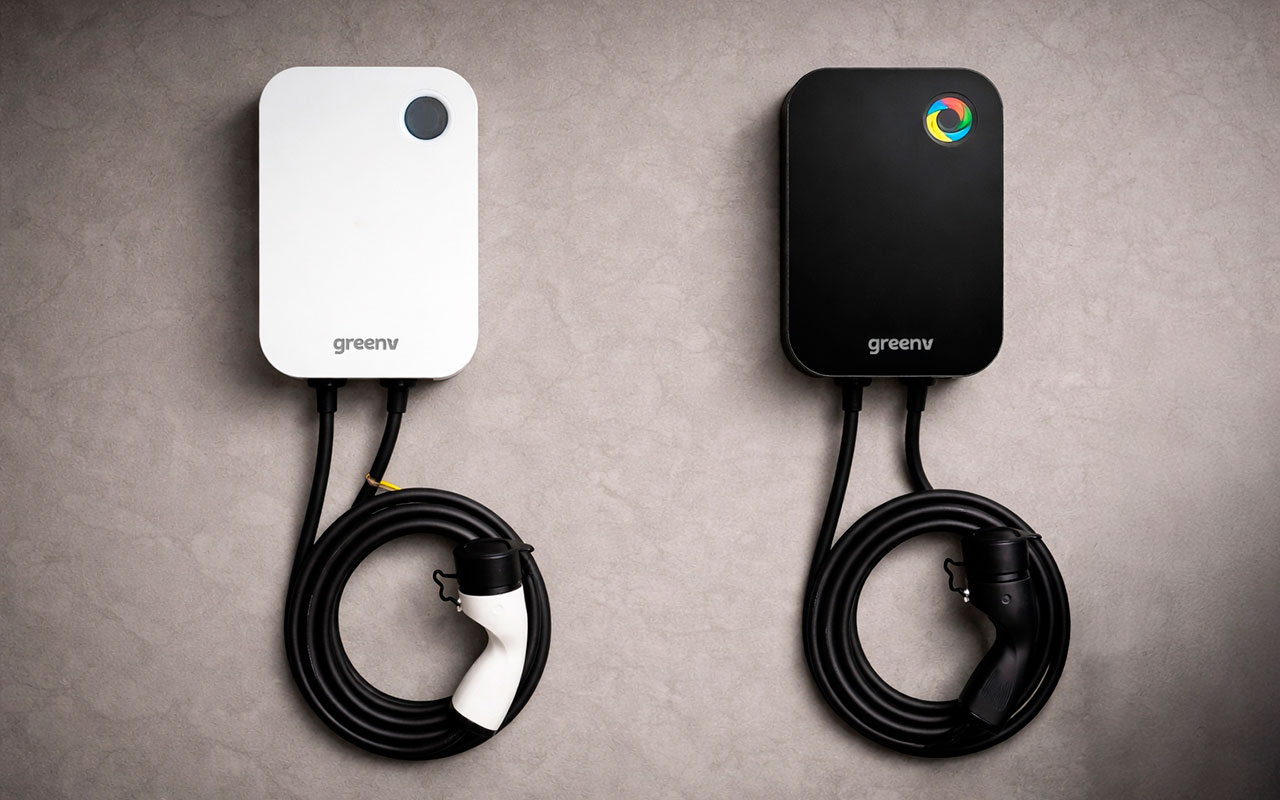

Brazil - With electrification accelerating in Brazil, choosing the right charger has shifted from a technical detail to a decision that affects cost, convenience and daily mobility, according to GreenV; the wrong choice can mean wasted time and unnecessary installation expenses.
- In short: Picking between AC (home) and DC (fast public) chargers determines charging time, compatibility and whether you risk spending R$ 4 mil or more on installation.
Understand the charging split: home vs. fast public
The market divides chargers into two main groups: alternating current (AC), dominant in homes and workplaces, and direct current (DC), used for rapid public charging. AC systems rely on the vehicle’s internal converter — the on-board charger — while DC chargers convert power externally, drastically cutting refill times. For global context on infrastructure growth and policy drivers, see the IEA Global EV Outlook 2024.
Within AC, portable cables, often used for emergencies or occasional travel, run at lower power and depend on the site’s wiring. Fixed wallboxes, typically between 7.4 kW and 22 kW, are recommended for daily use and usually include connectivity features for scheduling and monitoring.
"<10% of electric vehicles sold in Brazil can take advantage of power above 70 kW," making compatibility between car and charger a decisive factor.
Context and impact: cost, connectors and future trends
DC fast chargers start around 30 kW and can exceed 150 kW, and are common along highways, malls and fuel stations for time-sensitive trips. However, because fewer than <10% of Brazilian EVs can use more than 70 kW, investing in ultra-high-power stations may not pay off for all drivers.
Connector standards are also crucial: Tipo 2 is the dominant AC plug in Brazil, while CCS2 is standard for DC stations, aligning the country with international interoperability. Installation considerations — grid capacity, grounding, circuit breakers and distance to the parking spot — can push a residential setup to cost from R$ 4 mil upward, and condominiums or companies face additional approvals and safety rules. Smart charging, remote monitoring and solar integration are emerging trends that can increase efficiency and reduce operating costs.
What do you think? Will you prioritize a wallbox at home or rely on public DC stations for your next EV? For more details, check out our specialized section.