
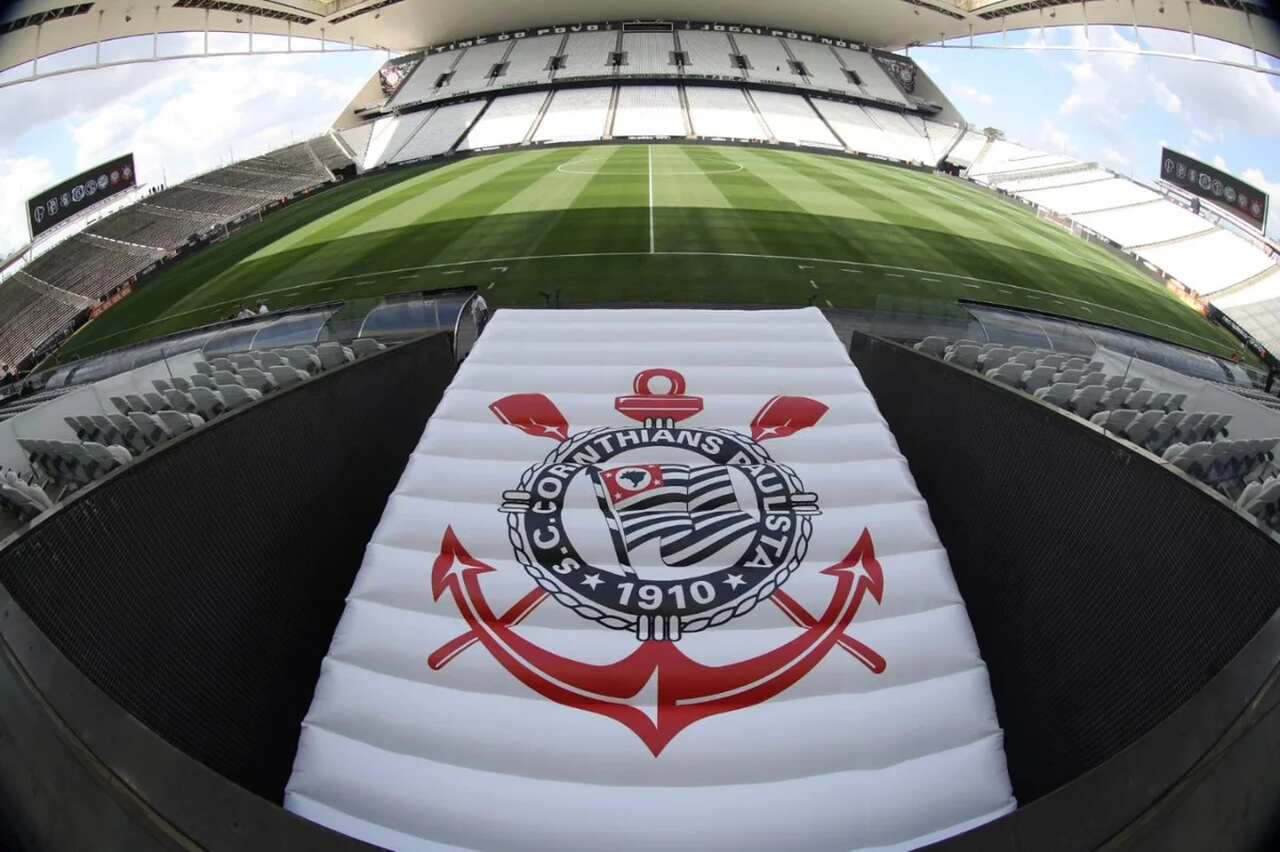

Corinthians - Recently, Corinthians resorted to advancing sponsorship revenues in February to ease immediate cash pressures, securing more than R$ 70 million through two separate operations that bolster liquidity now but raise short-term liabilities during an ongoing debt reorganization.
- In short: The club received R$ 46.9 million on Feb. 27 from master sponsor Esportes da Sorte and R$ 23.75 million via a Bank Daycoval operation tied to the Nike deal.
How the advances were structured
The first operation took place on February 27, when the club obtained R$ 46.9 million from its master sponsor, Esportes da Sorte, by anticipating contractual payments. A second transaction, linked to the Nike agreement, was arranged through Banco Daycoval and delivered R$ 23.75 million.
Financial director Emerson Piovesan confirmed the advances, noting the sums had contractual backing. For context on why clubs use these measures, see Reuters on club finance practices, which explains how teams convert future income into immediate liquidity at a financial cost.
"The analysis of the variation of current liabilities, based on the balance sheet, shows that the 'loans' account balance rose from R$ 361.4 million in January to R$ 381.9 million in February, indicating a gross increase in indebtedness for the period. Notably, obligations with Banco Daycoval rose from R$ 111.3 million to R$ 132.1 million, reflecting new financial operations, particularly those tied to the anticipation of receivables and fundraising to support cash flow," the court administrator reported.
Context and impact
Practically, Corinthians turned future sponsorship receipts into immediate capital that will be repaid later with interest and fees. Laspro — the company managing the judicial restructuring (RCE) — flagged that the Daycoval operation increased the club's exposure to the bank.
The club's total liabilities remain near R$ 2.7 billion, while a homologated RCE plan contemplates settling up to R$ 700 million in judicial debts across ten years. The moves improve near-term solvency but complicate debt ratios during a delicate restructuring process.
What do you think? Will these advances help Corinthians stabilize finances in the long run? For more details, check out our specialized section.