
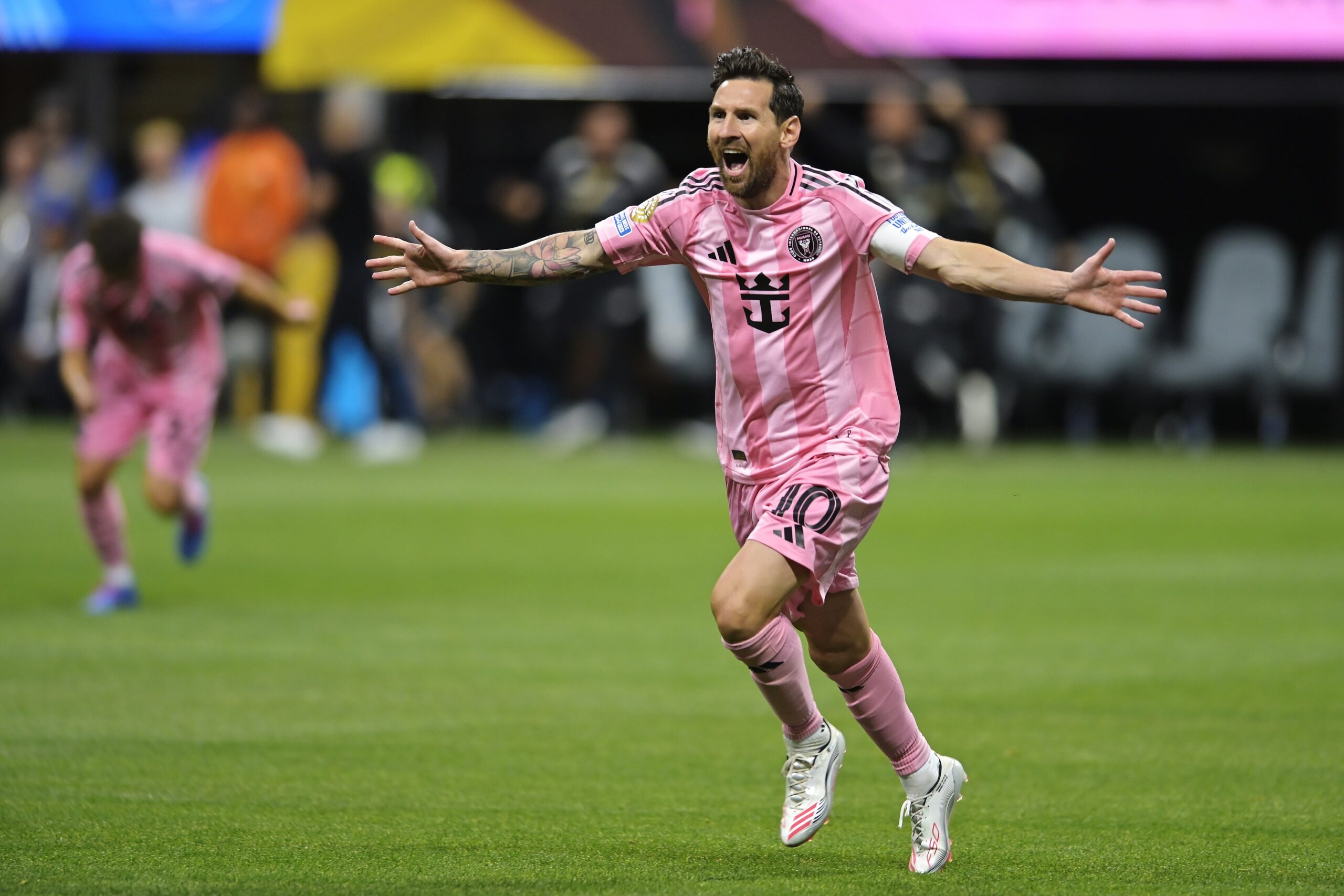

Major League Soccer - Recently the league's economic footprint widened dramatically, shifting MLS from an emerging market to a direct contender in global club valuations and altering where investors and broadcasters place their attention.
- In short: Sportico ranks 18 MLS franchises among the world’s 50 most valuable clubs, with five inside the global top 20 — led by Inter Miami at US$ 1.45 billion.
Why valuations jumped — and what it means
The Sportico ranking that places 18 MLS teams in the top 50 underscores a structural revaluation of North American soccer. Sportico’s valuations highlight how franchise-style governance, strategic stadium investments and global media deals have turned club ownership into a high-demand asset.
Key commercial moves — notably Lionel Messi’s arrival and the Apple global media agreement — amplified audiences, sponsorship interest and matchday revenue, accelerating a trajectory that had been building since the league’s launch in 1996.
"18 MLS franchises among the 50 most valuable clubs in the world, with five in the top 20 and Inter Miami valued at US$ 1.45 billion."
Context and impact for fans, investors and the sport
The MLS model — a single-entity, franchise-driven league with emphasis on stable growth and infrastructure like owned stadiums and academies — has reduced volatility and attracted capital that historically flowed only to Europe. This structural predictability is changing the calculus for investors weighing European giants against fast-growing MLS franchises.
The upcoming 2026 World Cup, hosted by the United States, Canada and Mexico, acts as a multiplier: infrastructure upgrades, higher attendances and amplified sponsorship cycles all point to sustained upside for the league’s commercial trajectory.
What do you think? Is MLS poised to close the gap with Europe’s elite clubs in sporting prestige as well as market value? For more analysis, check out our specialized section.