
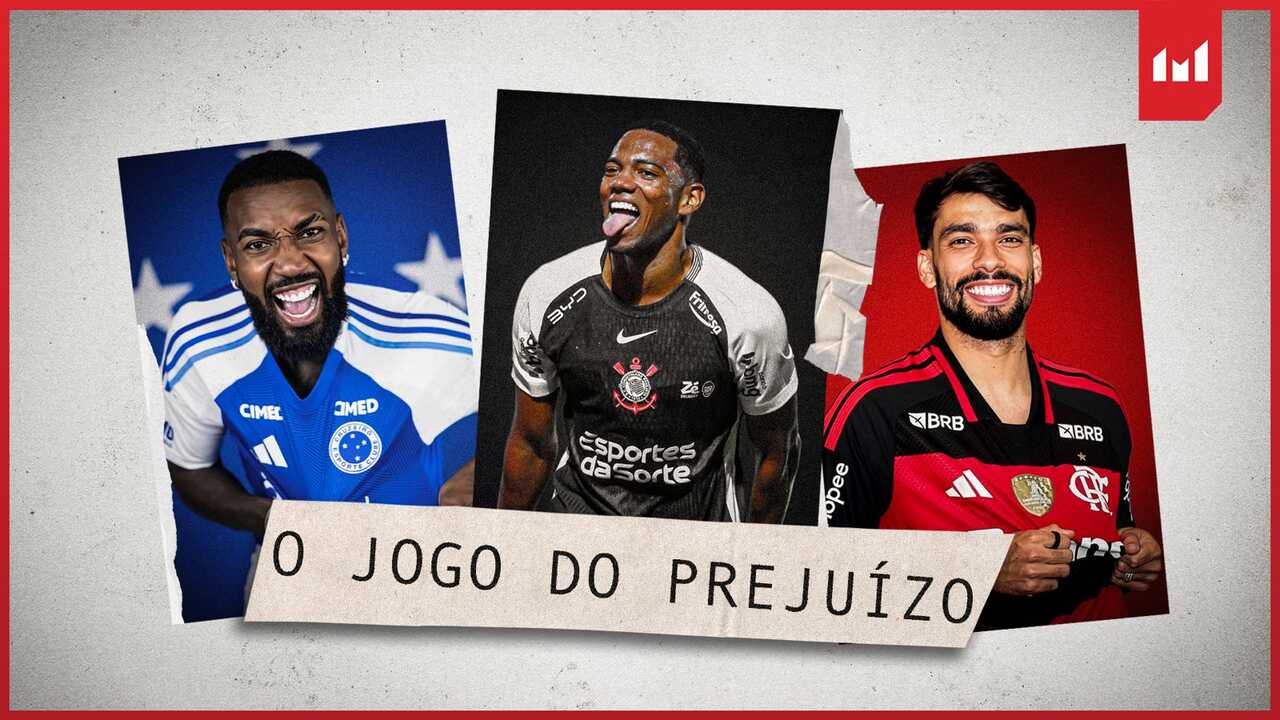

Flamengo - The club's repurchase of Lucas Paquetá in 2026 for €42 million spotlights a systemic problem: Brazilian teams often sell young stars too cheaply to cover short-term gaps, then face inflated prices when trying to bring them back.
- In short: Flamengo sold Paquetá in 2018 for €35 million and paid €42 million in 2026 to re-sign him, illustrating a recurring sell-low, buy-high pattern.
Why clubs sell early and pay more later
Brazilian clubs frequently accept lower offers driven by immediate financial pressure — debt, concentrated broadcast revenues, and short-term liabilities — which turns player sales into a liquidity tool rather than a strategic asset-management decision. This dynamic was visible when Flamengo agreed the 2018 sale of Lucas Paquetá to Milan for €35 million and later paid €42 million to bring him home.
European buyers routinely price in a so-called “prêmio Brasil” — an additional premium applied in deals with South American clubs — while growing capital in European markets pushes transfer values higher. The gap is amplified by overall revenue differences between leagues, as highlighted by the Deloitte Football Money League.
"The club had negotiated the midfielder in 2018 with Milan for €35 million, a value below the sum later paid to bring him back — €42 million — roughly matching what West Ham United previously paid."
Context, consequences and what changes
Fragmented economic rights — sell-on clauses, agent percentages and partial ownership — reduce the net proceeds clubs receive, limiting reinvestment potential. Even after FIFA banned third-party ownership in 2015, mechanisms such as complex sell-on arrangements persist and blunt transfer returns.
Yet the market is shifting: in 2026 Brazil emerged as the second largest buying market globally, signaling growing repatriation and spending power. That shift could rebalance negotiation leverage over time, but entrenched structural issues — short-term fiscal pressures and constrained revenue streams — remain obstacles.
What do you think? Does this pattern force Brazilian clubs into poor long-term decisions, or is it a necessary trade-off to survive financially? For more details, check out our specialized section.