
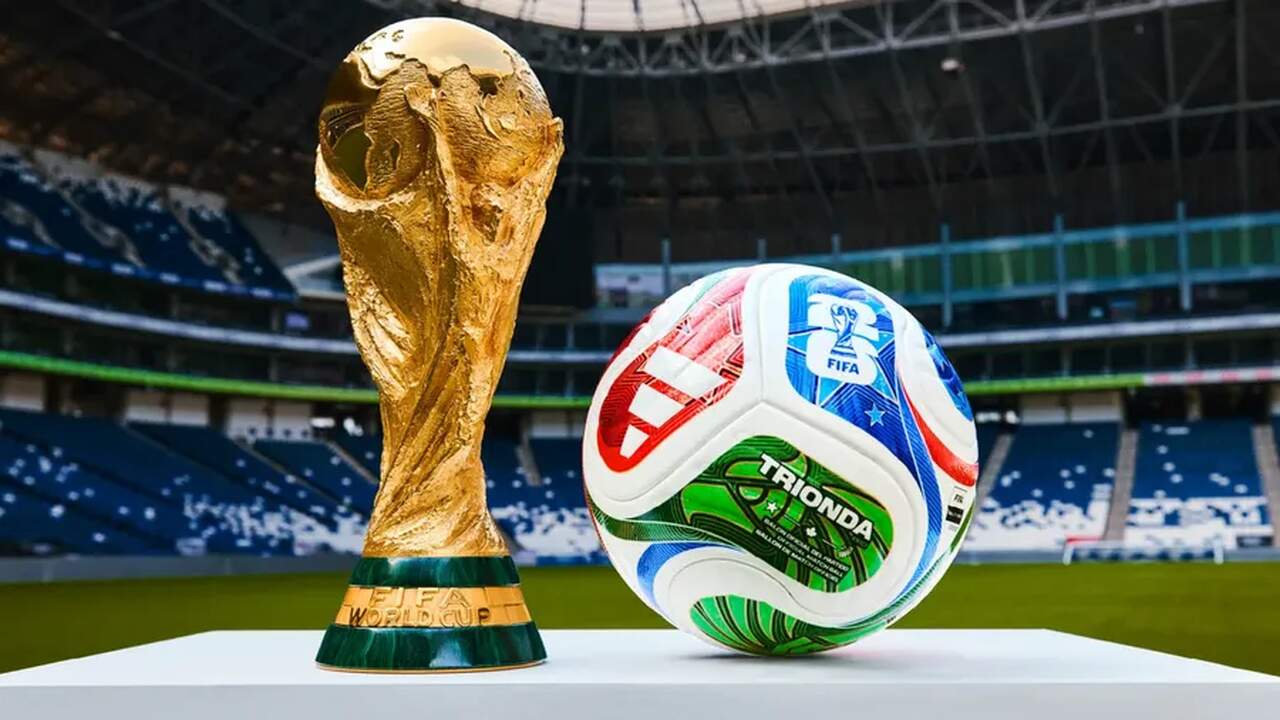
FIFA - On 22 April, FIFA opened a fresh phase of ticket sales for the 2026 World Cup, putting more seats for the 104 matches on public sale and intensifying the scramble for a limited supply ahead of the June 11–July 19 tournament across the United States, Mexico and Canada.
- In short: New tickets are being sold on a first-come, first-served basis for all 104 games, even as demand and prices remain sharply higher than in 2022.
What’s new in the sales cycle and how it works
The newly released tickets cover categories 1–3 and select front-row seats, with purchases awarded by order of access rather than by lottery or selection. FIFA says additional batches will be released progressively up to the final on 19 July. See FIFA’s official tournament overview for details and scheduling: FIFA World Cup 2026.
That first-come model raises urgency for fans: buyers who miss the platform window risk losing seats even if more inventory appears later.
"Together with this batch of tickets, they will continue to be released to the public on an ongoing basis, up to the final on Sunday, 19 July (subject to availability)," FIFA said.
Context, demand and economic impact
The 2026 tournament expands the World Cup format (48 teams) and features 104 matches—an increase that helps explain the complex ticketing rollout and huge public interest. FIFA reported over 500 million ticket requests in January, underscoring intense global demand.
Prices have also climbed dramatically versus the 2022 World Cup in Qatar. One stark example: Category 4 tickets for a Round of 16 match rose from US$19 in 2022 to US$260 for 2026, a jump that has drawn criticism from fan groups and consumer advocates. In March, Football Supporters Europe and Euroconsumers took complaints to the European Commission, alleging unfair sales practices and dominance by FIFA in ticket distribution.
Separately, tourism projections are shifting: the Financial Times reports that some U.S. host cities are seeing lower-than-expected hotel demand and adjusted rates, suggesting the economic boost may be uneven across venues: Financial Times coverage.
What do you think? Will you try to buy tickets in this first-come phase or wait for later releases? For more details, check out our sports section.