
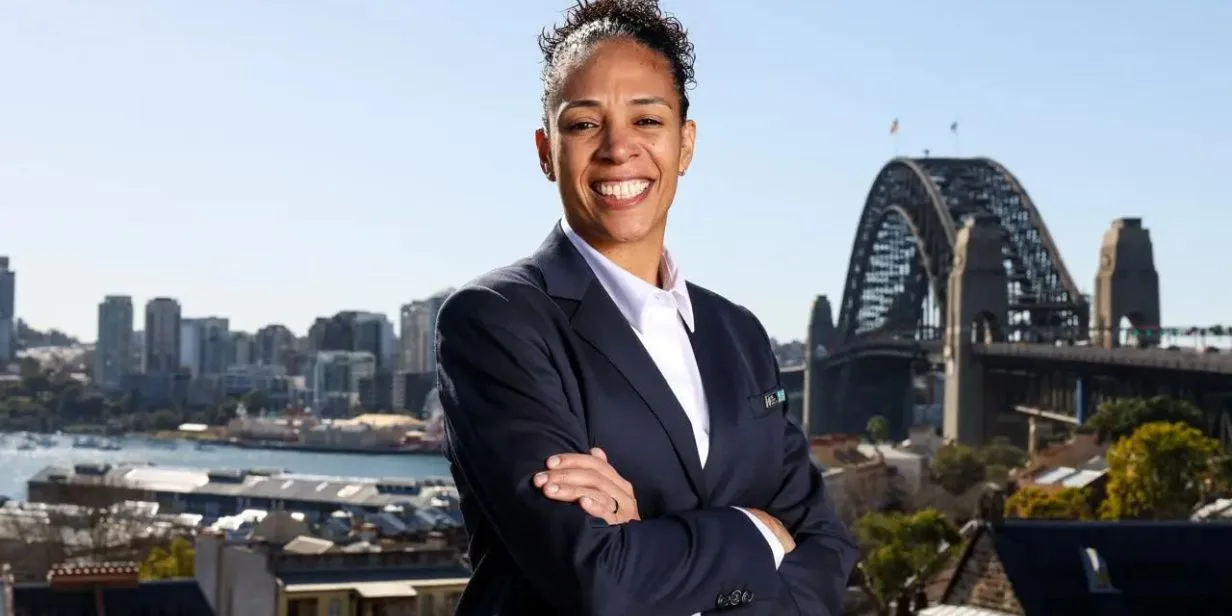

Aline Pellegrino - Aline Pellegrino was confirmed as executive director of legacy and institutional relations for the FIFA Women's World Cup 2027 in Brazil, while she will continue serving as manager of women's competitions at the Confederação Brasileira de Futebol, a role she has held since 2020. The dual appointment positions her to shape both the tournament and longer-term opportunities for women in Brazilian and South American football.
- In short: Pellegrino will lead legacy work for the 2027 World Cup in Brazil while keeping her CBF post, joining an operational team of 128 professionals with roughly 70% female participation.
Understand the dynamics and immediate priorities
Pellegrino's brief places emphasis on turning the World Cup into enduring gains for players, administrators and communities. The FIFA Women's World Cup has evolved since its inception in 1991, and organizers point to legacy programs as a core way to cement gains beyond match days. More on the tournament framework can be found at the FIFA Women's World Cup official pages.
She joins a leadership group that includes Gal Barradas (revenues and marketing), Thiago Jannuzzi (operations) and Patricia Hespanha (administration), working within an operational team of 128 professionals — about 70% women, according to the organizing structure.
"Contributing to the impact this event can have on women in Brazil, in South America and around the world gives me even more certainty that the decision I made in my childhood, at a time when football in Brazil was still taking its first steps, was the right one."
Context and impact: why this appointment matters
Pellegrino brings a high-profile playing and management résumé: former Brazil captain, 2007 World Cup runner-up and Olympic medallist at the Athens 2004 Games. After retiring as a player she moved into administration — including roles at the Federação Paulista de Futebol and as technical supervisor at Corinthians Audax — and today participates in the FIFA Legends program and acts as a CONMEBOL ambassador.
2027 will be the tournament's 10th edition since 1991, and organizers are explicit that legacy work aims to produce tangible career pathways. As Jill Ellis noted, the event can "create role models not only on the field but also in our boardrooms," stressing that hands-on experience and networks from organizing a home World Cup can reshape futures for women in the sport.
What do you think? Will Pellegrino’s leadership translate into lasting change for women in Brazilian football? For more details, check out our specialized section.